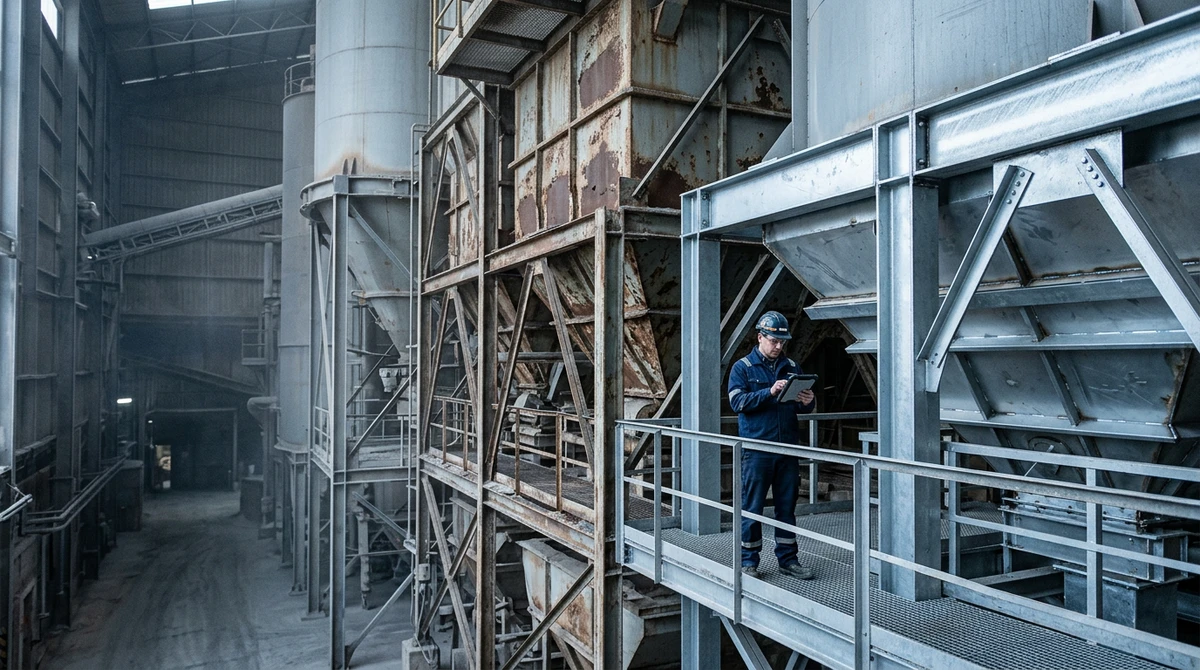
Wear Never Stops in a Cement Plant
In a cement plant, wear never stops: material abrasion, high temperatures, and continuous loads, around the clock. Serious failures are rarely a surprise — they're deviations that kept advancing because nobody measured them in time.
What Gets Measured, and Where It Applies
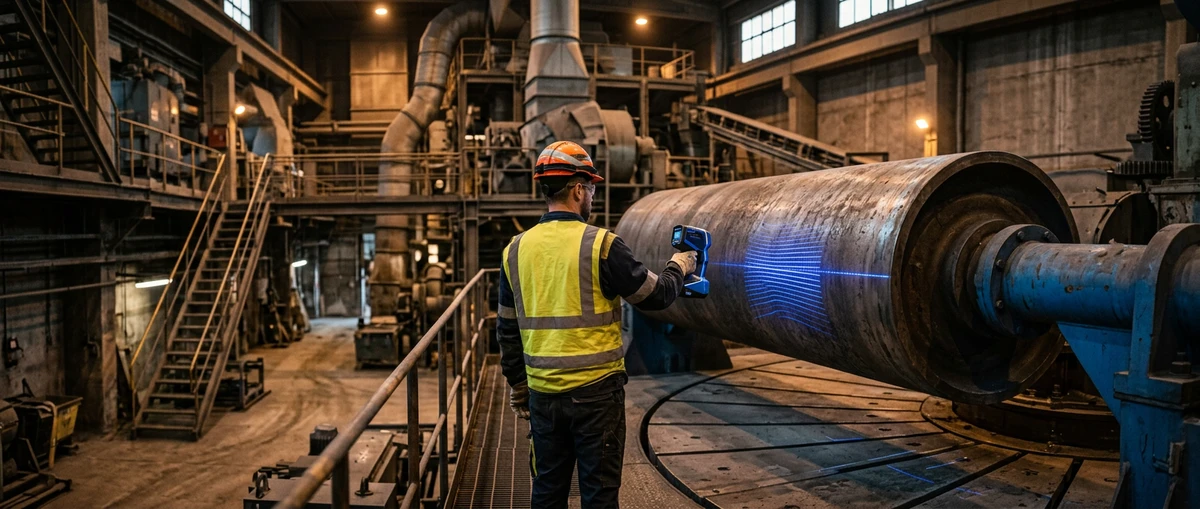
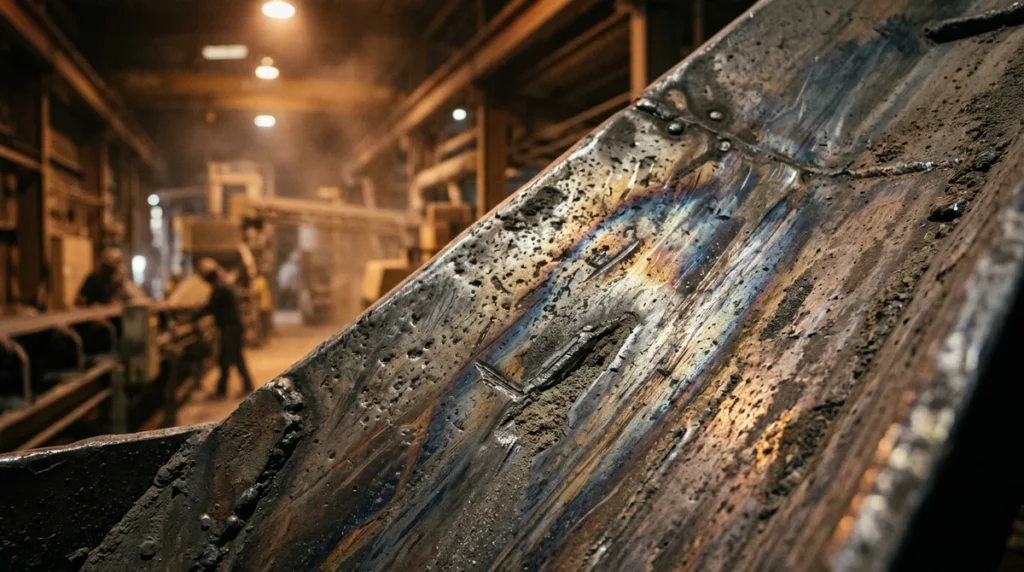
With 3D scanning and metrology, a component's real geometry is compared against its design or its original condition, producing a deviation map that shows where and how much it has worn or deformed. In cement plants, typical uses include the wear profile of vertical mill rollers and tables, kiln shell deformation, tire and support-roller wear, the condition of cyclones, ducts and chutes, and verifying new parts before installation.
The Case of a Vertical Mill
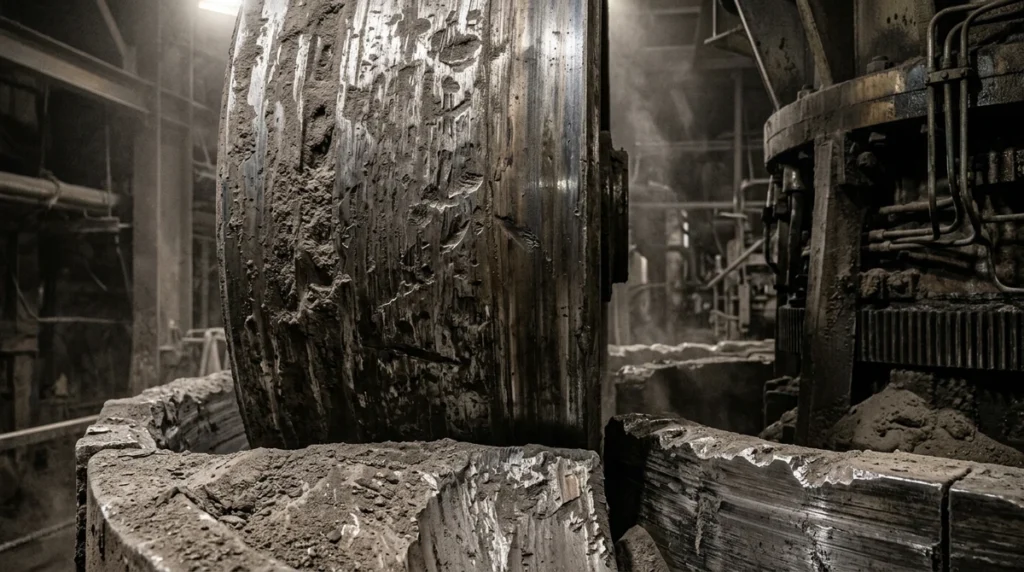
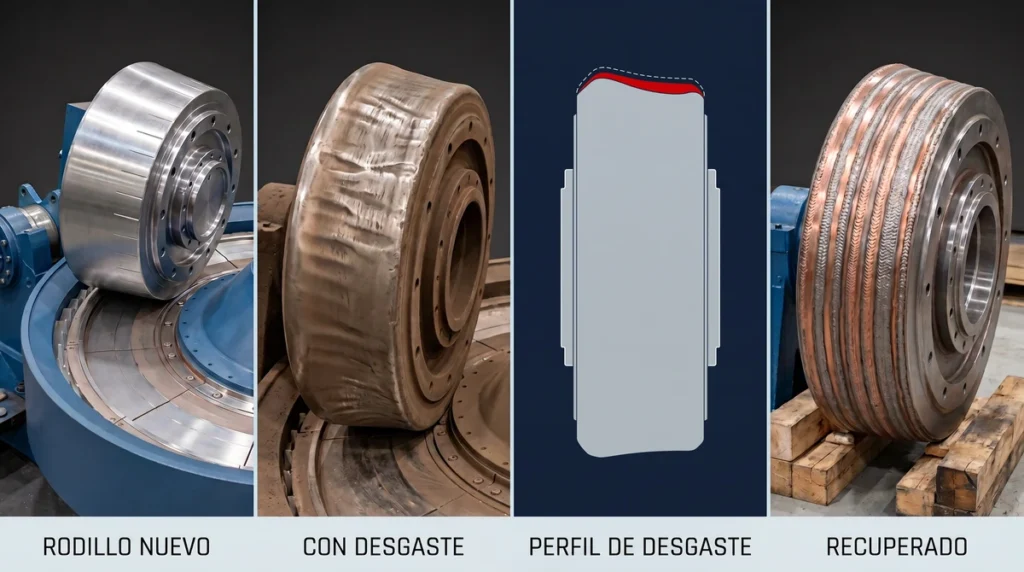
Take the case of a vertical mill. Wear on the rollers and table is never uniform, and that profile affects grinding efficiency and energy consumption. Measuring it by scanning at every shutdown makes it possible to decide whether a weld overlay is enough, how much material to add and where, and how much longer the assembly can run before it needs replacing. It's information for deciding, not just for filing away.
A Wear History for Better Decisions
Periodic measurements build a wear history for each piece of equipment. That makes it possible to decide, with data, when to weld-overlay, when to replace, and what spare parts to buy before the next shutdown — instead of relying only on visual inspection or a maintenance calendar.

What the Delivered Report Includes
The deliverable is a report with color deviation maps, cross-sections and measurements at critical points, and a comparison against previous measurements when available. It's a document a maintenance manager can bring to committee to support a purchase or an intervention.
Also Key When Receiving Third-Party Parts
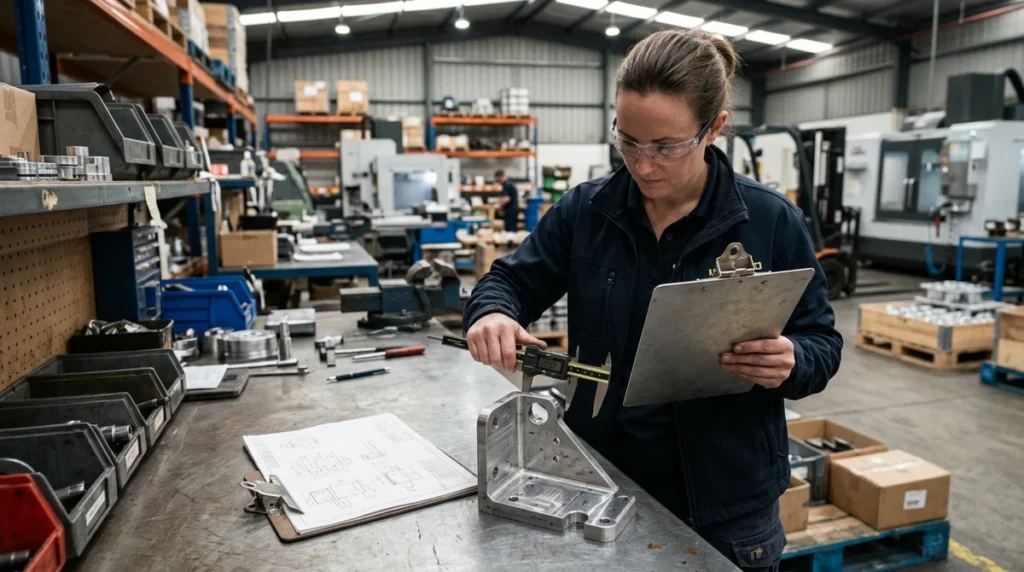
It's also key when receiving parts manufactured by third parties: comparing what was delivered against what was specified, with an objective technical report, avoids installing an out-of-tolerance part in the middle of a shutdown and reduces disputes with suppliers. We provide the same service to mining, agribusiness, and metalworking.
Conclusion
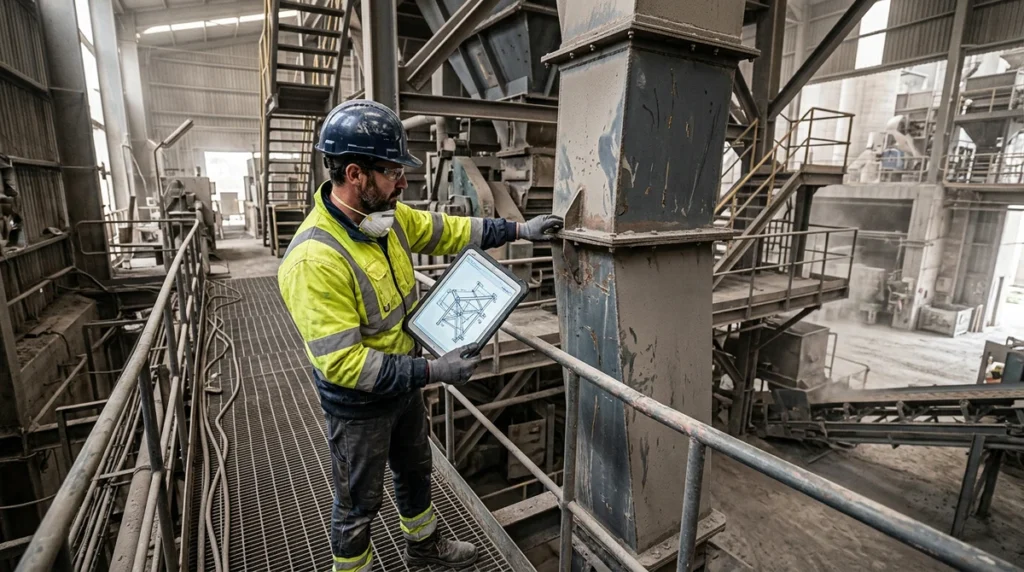
Dimensional control turns wear — which usually gets noticed only once it's too late — into data you can plan around. Applied in time, it keeps a foreseeable failure from turning into a long, costly shutdown.