A Cement Plant Is Never Truly Finished
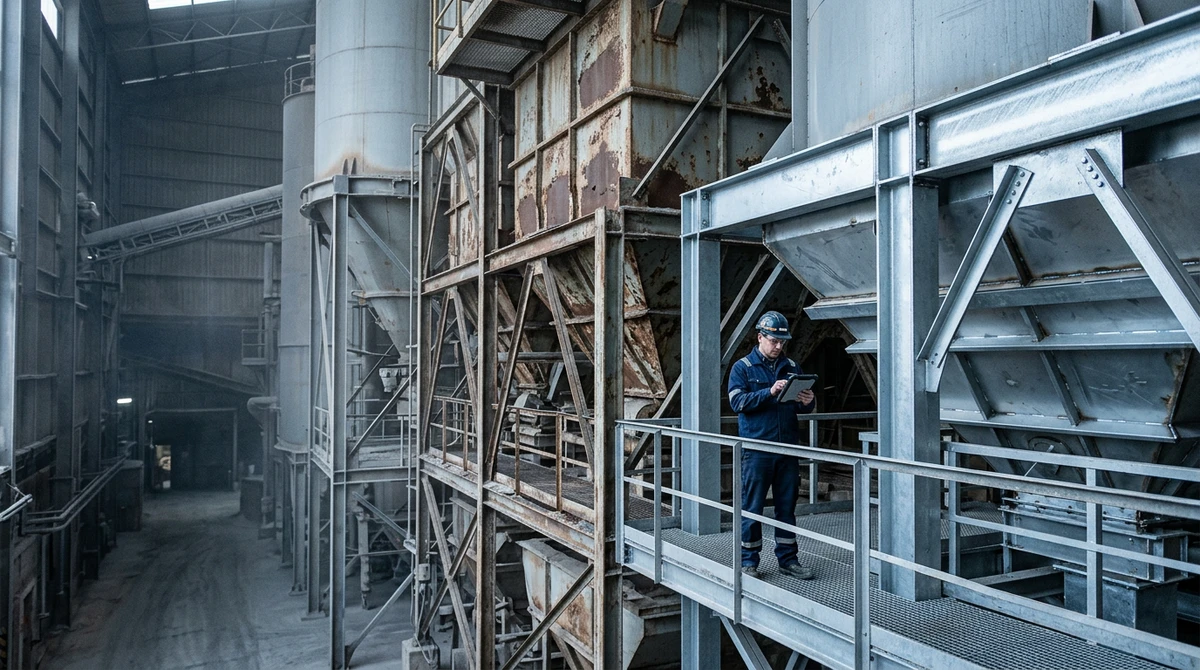
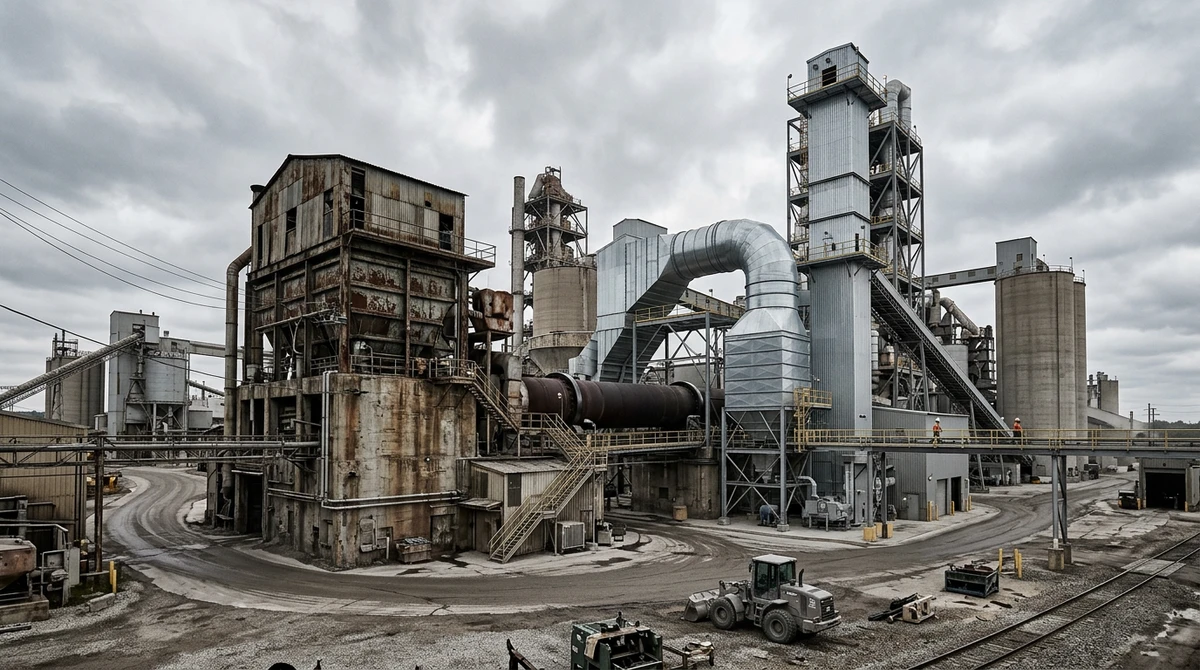
A cement plant is never truly finished. There's always a chute that keeps clogging, a duct wearing out faster than it should, a platform missing for maintenance access, or a new piece of equipment that needs to be integrated into an existing line.
How We Approach an Engineering Development
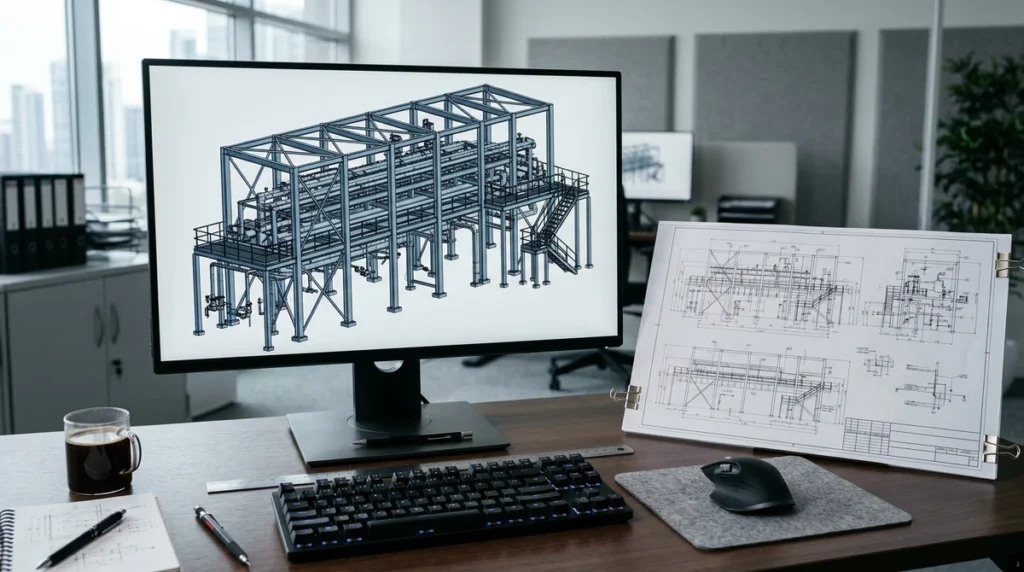
A complete engineering development starts with an on-site information survey — using 3D scanning when the environment is complex — followed by mechanical design in CAD, structural verification, selecting materials resistant to abrasion and heat, and construction drawings ready for the workshop and installation.
Typical Projects in a Cement Plant
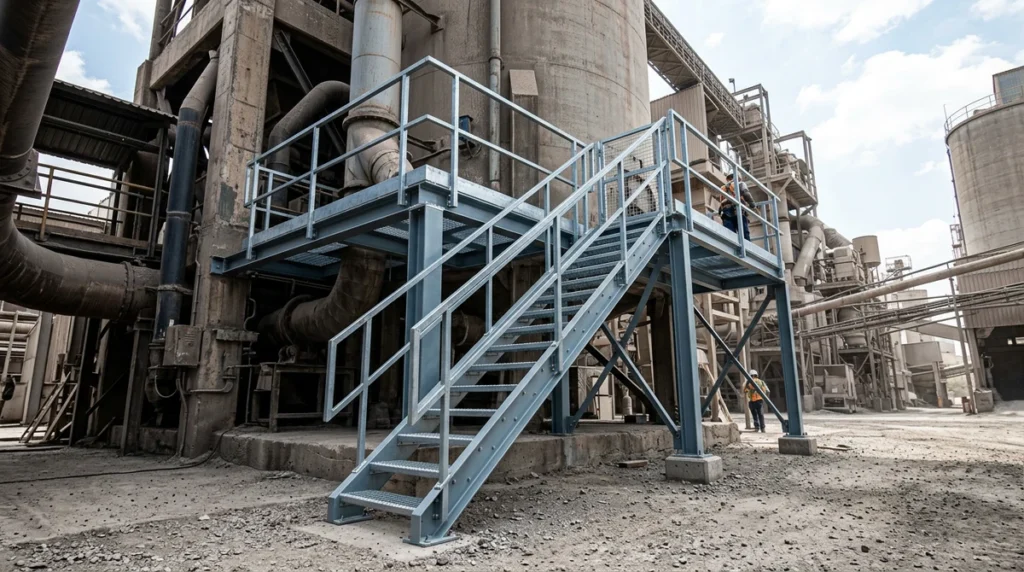
Typical cement-plant projects include: redesigning chutes to reduce clogging and wear, replacing sections of preheater or cooler ducts, maintenance platforms and access, supports and bases for new equipment, adapting imported spare parts to what's actually installed, and expanding belts, elevators, and conveying systems.
Knowing the Process Makes the Difference
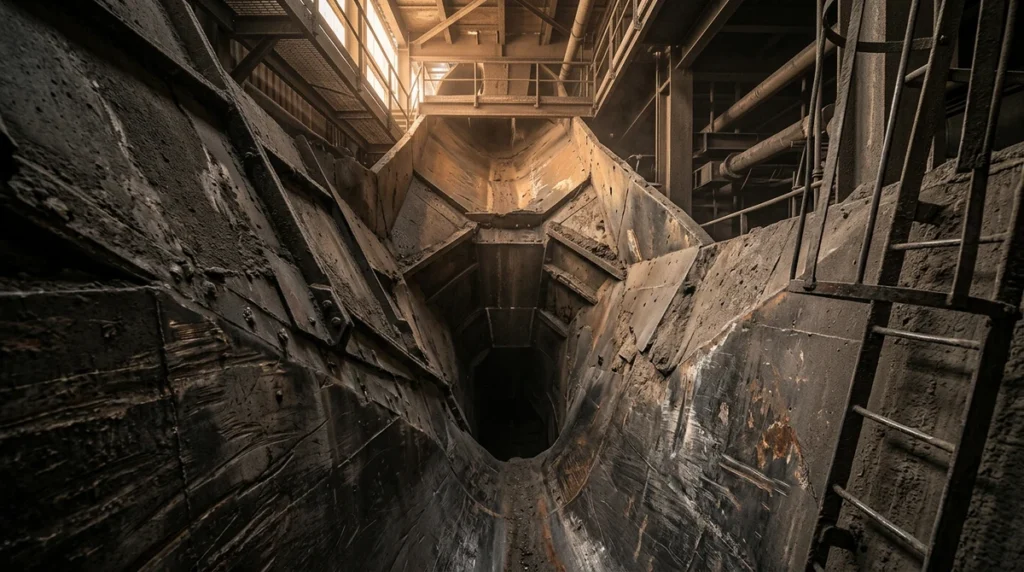
In cement, knowing the process makes the difference. Redesigning a clinker transfer chute, a feed hopper, or a preheater duct section requires understanding material flow, temperature, and wear points — not just drawing the geometry. That plant experience is what stands behind every design we deliver.

The Schedule Is Built Backward From the Shutdown
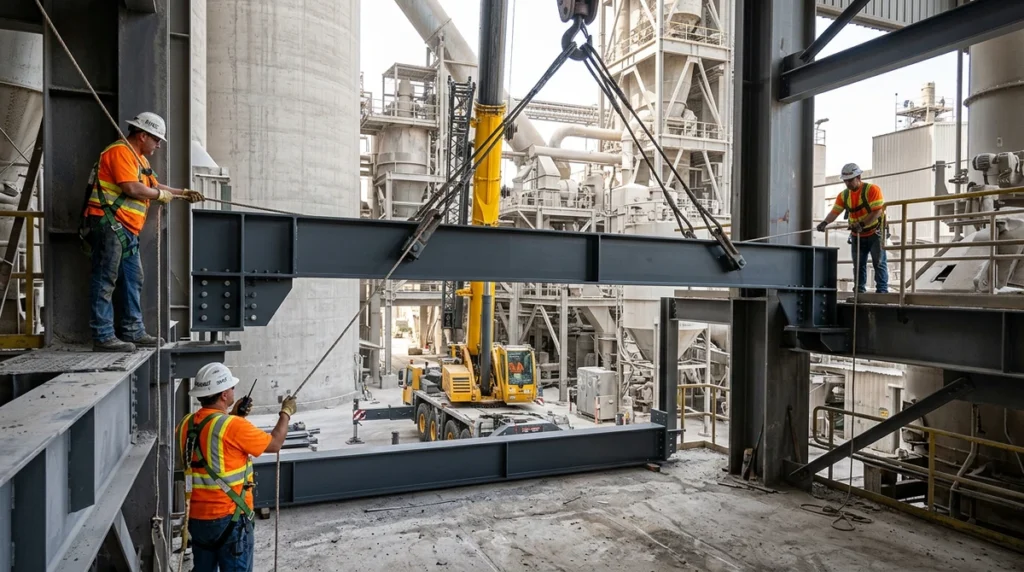
We work on the plant's timeline. If a modification needs to be installed during the kiln shutdown, the schedule is built backward from that date: survey, design, approval, manufacturing, and verification — so that everything is on-site and verified by shutdown day.
Designing on the Real Plant, Not Old Drawings
Designing on the real plant, instead of on outdated drawings, reduces field adjustments during installation — usually the leading cause of cost overruns and extended shutdowns. We do this same work for concrete plants, mining, sugar mills, and metalworking.
Conclusion
An engineering development that starts from the real plant — not from outdated drawings — arrives at installation with no surprises. That's the goal: on shutdown day, everything designed fits the first time.