Imported Equipment That's Lost Its Support
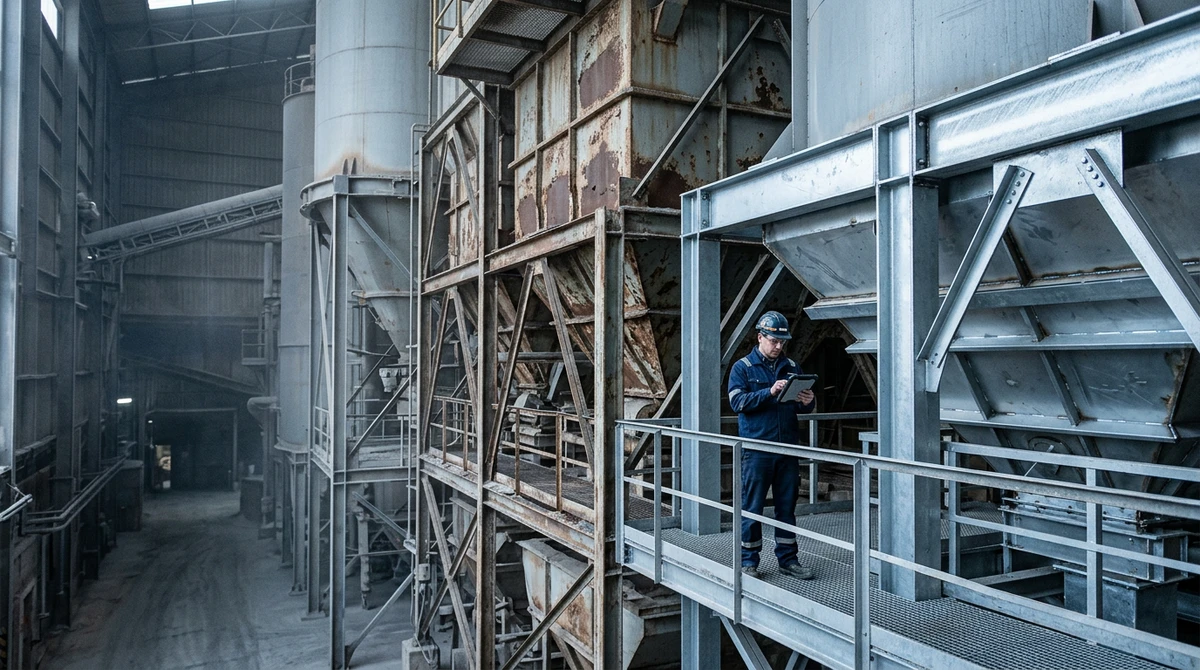
Most of the major equipment in a cement plant is imported technology, and much of it has been running for twenty or thirty years. Over time, the same problems keep showing up: the manufacturer discontinued the part, the original spare takes months to arrive, or detailed drawings of the piece never existed in the first place.

Parts That Are Good Candidates for Reverse Engineering
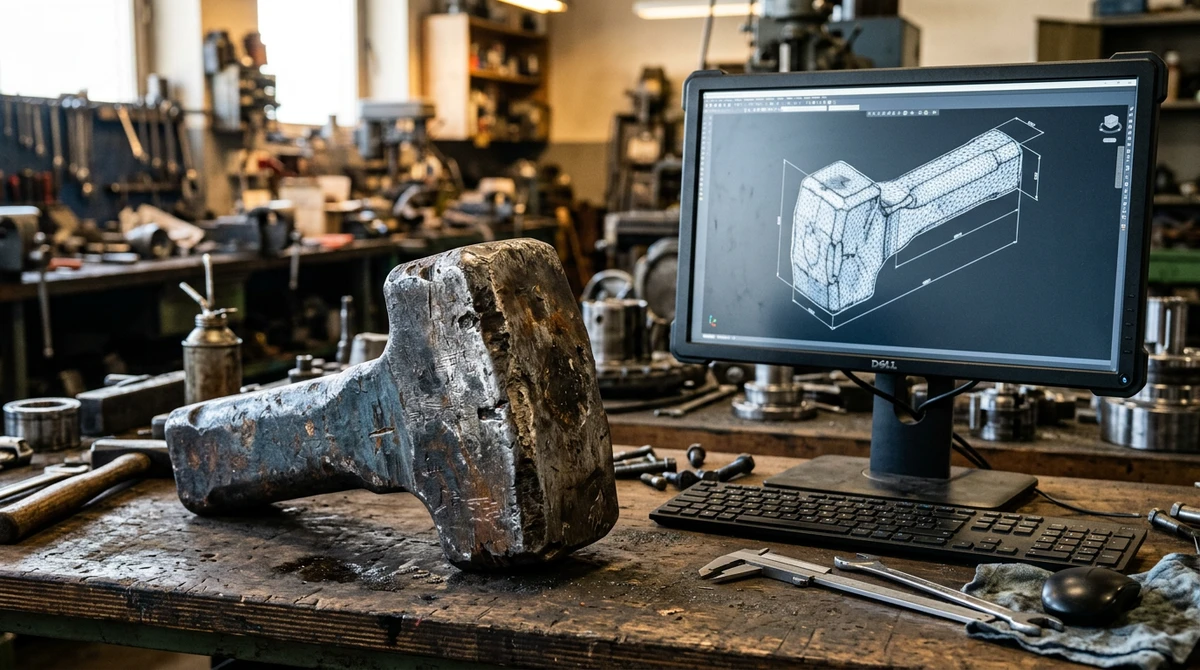
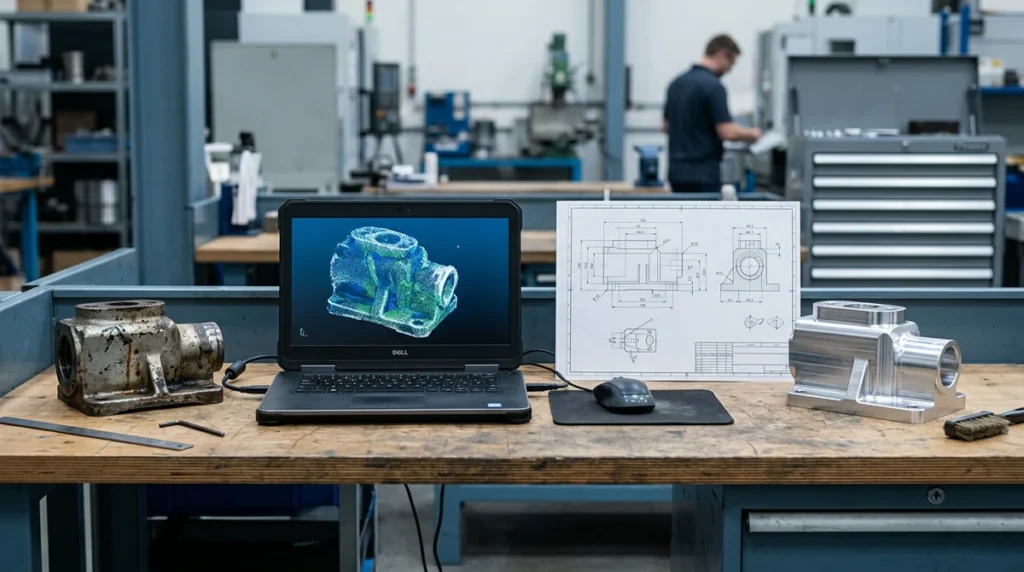
Elevator buckets and chains, crusher hammers and grates, clinker cooler plates, ball mill liners, duct gates, or separator components are typical candidates for reverse engineering. We start from the physical part, or from its 3D scan, and rebuild the complete model — geometry, tolerances, fits, and material — so it's ready to manufacture at a local workshop.
A Worn Part Is Not the Original Part
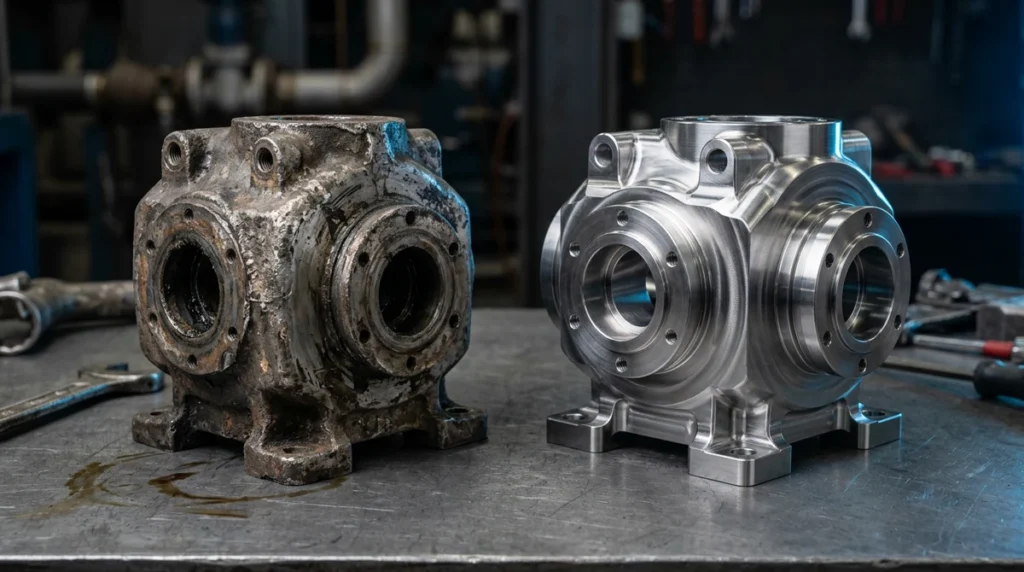
One key point: a worn part is not the original part. Copying it as-is produces a spare that's already worn from day one. That's why the reconstruction relies on undamaged areas, twin parts, the fit with neighboring components, and the judgment of someone who knows the equipment — until the original design geometry is recovered.
Experience Matters as Much as Technology
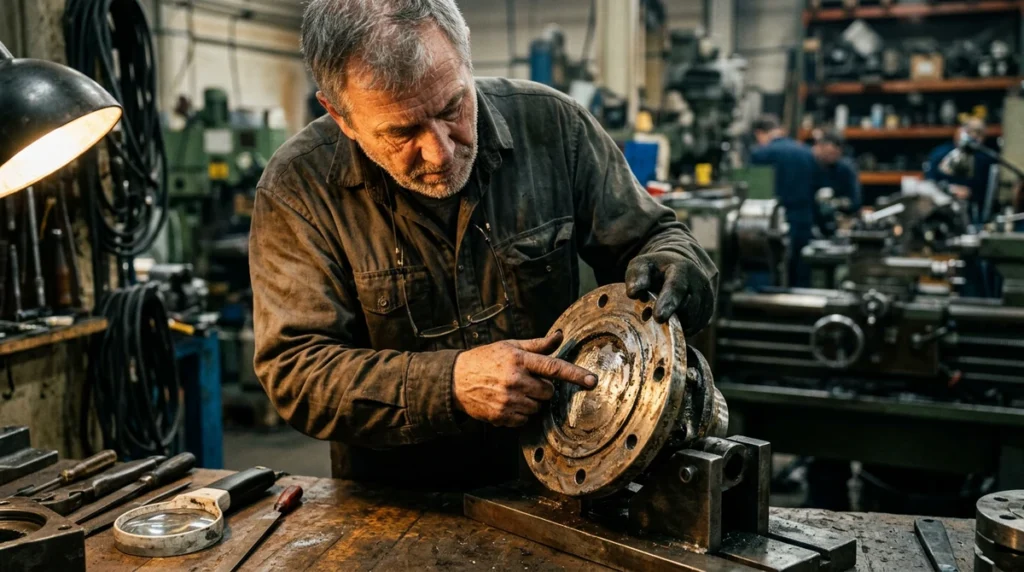
In this kind of work, industry experience carries as much weight as technology. Knowing how a part behaves inside the process — at what temperature, under what abrasion, and under what loads — makes it possible to choose the right material and, when it's worth it, improve the original design exactly where it always failed, instead of copying the flaw.
The Process in Four Steps
Your Own Inventory of Critical Spare Parts
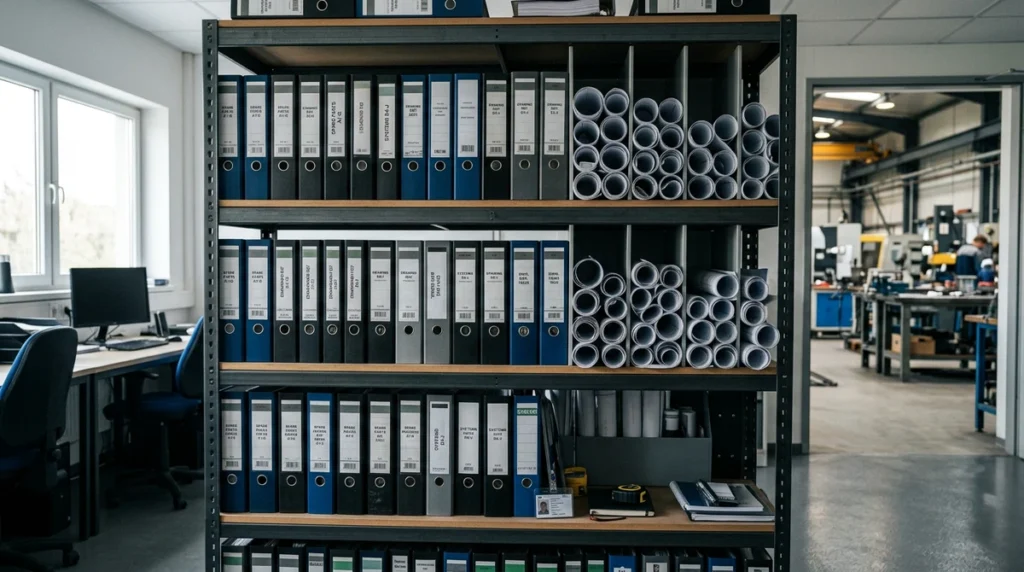
The result is your own in-house inventory of drawings for critical parts, more supplier options, and less risk of a failure turning into a long shutdown while you wait for an import. We apply the same process in mining, sugar mills, and metalworking.
Conclusion
With reverse engineering, every critical spare part stops depending on a single overseas supplier. It becomes your own verified drawing, ready to manufacture whenever the plant needs it — in cement, mining, agribusiness, or metalworking.